3 min read · Updated 18 June 2026
The easiest way to get into sailing in Australia is to join a local yacht or sailing club — most run learn-to-sail courses, hold come-and-try days, and welcome beginners as crew, with no boat and no experience required. Sailing has a reputation as exclusive and expensive, but the reality at club level is the opposite: the sport runs on people willing to learn, and clubs work hard to bring newcomers in.
Start with a club
A sailing or yacht club is the front door to the sport. Around the Australian coast, clubs range from small dinghy clubs to large keelboat squadrons, and almost all of them offer some path for beginners:
- Learn-to-sail courses — structured lessons, usually in club-owned dinghies or keelboats, teaching the basics over a few sessions.
- Come-and-try days — free or low-cost taster sessions where you go sailing with no commitment.
- Crew opportunities — keelboats need several people aboard, so owners are constantly looking for crew, including beginners.
You do not need to own a boat. In fact most people who sail and race never own one — they crew on other people's boats, which is the cheapest and most common way in.
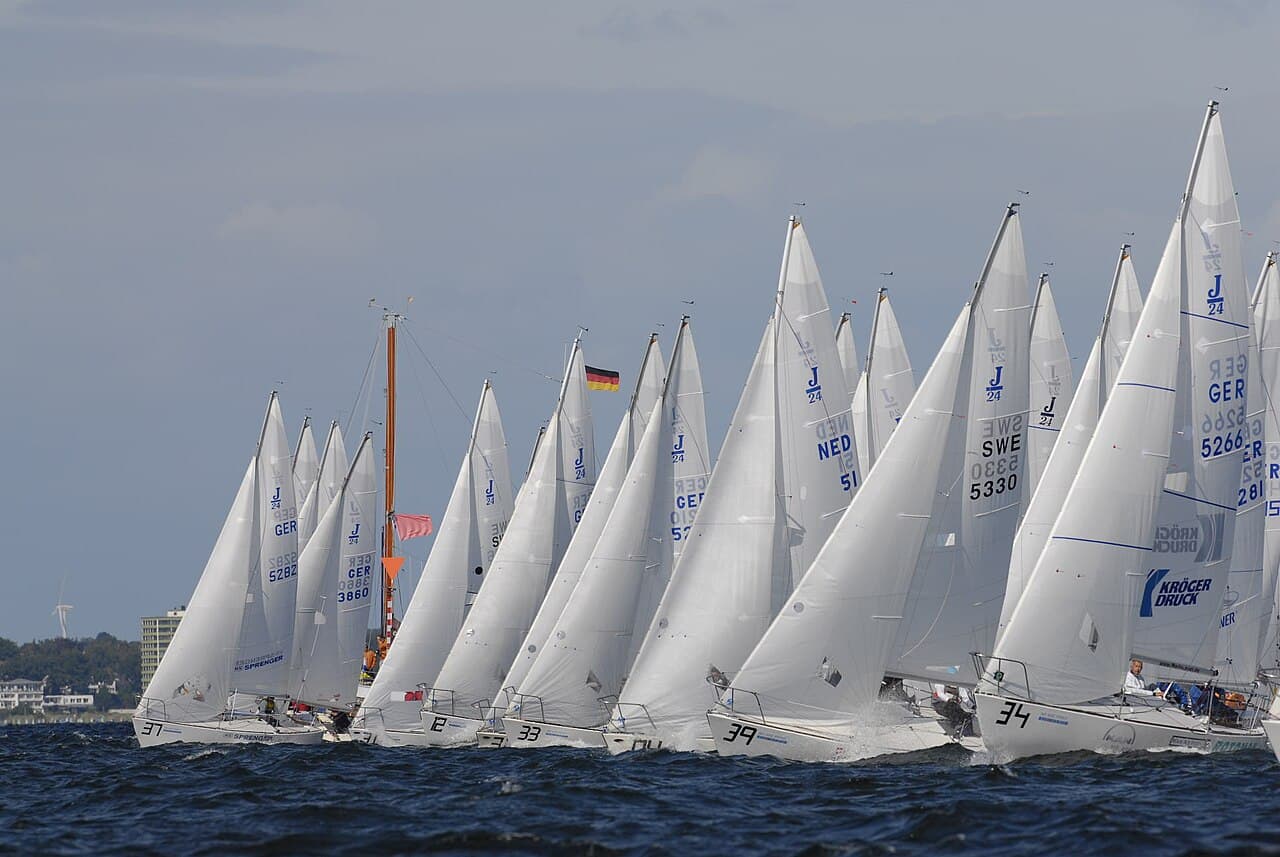
Crewing: the most common way in
Because a racing keelboat needs a full team, joining as crew is the classic route into the sport. Owners want willing, reliable people far more than they need experienced ones, and a beginner who turns up on time and listens will quickly find a regular spot. We cover the practical steps in our guide to joining a yacht racing crew, and the jobs you might be given in crew positions.
Dinghy or keelboat?
Both are good starting points, and they teach in different ways:
- Dinghies are small, light boats that respond instantly to every input. You learn fast because mistakes are immediate and harmless, and they are ideal for juniors and hands-on adults.
- Keelboats are larger, ballasted and stable, crewed by a team. They are a natural way for adults to begin by joining a crew and learning a role at a time.
Many sailors do both — a dinghy background builds feel, while keelboats are where most club racing and offshore sailing happen.
What it costs
Starting as crew is inexpensive: typically club membership, suitable clothing and a willingness to turn up. Learn-to-sail courses are modestly priced and usually include club boats. Owning and racing your own boat is a much bigger commitment, but you can sail and race for years as crew before — or instead of — taking that step.
From beginner to racing
Once you have the basics, racing is where the sport opens up. Club racing happens most weeks through the season, and from there the pathway leads to bigger regattas and, for some, grand-prix and offshore racing. If you are not sure what a regatta actually is, start with what is a sailing regatta. And if you are in south-east Queensland, our guide to sailing in Brisbane and Moreton Bay points to the clubs on our home waters.
Frequently asked questions
- How do I get into sailing in Australia?
- The simplest way is to join a local sailing or yacht club. Most clubs run learn-to-sail courses for adults and juniors, hold come-and-try days, and actively look for new crew to fill spots on keelboats. You do not need to own a boat or have any experience to start — clubs exist precisely to bring newcomers into the sport.
- Do I need to own a boat to go sailing?
- No. Most people who race never own a boat. Keelboats need several crew, so owners and skippers are constantly looking for people to sail with, including beginners willing to learn. Joining as crew is the most common and affordable way into the sport, and many clubs have crew noticeboards or social-sailing nights to match people with boats.
- How much does it cost to start sailing?
- Starting as crew is inexpensive — often just club membership and suitable clothing. Learn-to-sail courses are modestly priced and usually include the use of club dinghies. Owning and racing your own boat is far more expensive, but you can sail and race for years as crew without that cost, which is how most people begin.
- Is it better to start in a dinghy or a keelboat?
- Both work. Dinghies are small, responsive boats that teach the fundamentals quickly because you feel every input, and they are ideal for juniors and hands-on learners. Keelboats are larger, more stable and crewed by a team, so they are a great way for adults to start by joining an existing crew. Many sailors do both.
- What is the best age to start sailing?
- Any age. Clubs run junior programmes for children in small dinghies such as Optimists and Sabots, while adults regularly take up the sport in their twenties, forties or later by joining keelboat crews. Sailing is one of the few sports where beginners and experienced sailors of all ages share the same boat.