Sailing Base Layers Compared: Sail Racing vs Zhik vs Helly Hansen
An engineering comparison of sailing base layers from Sail Racing, Zhik and Helly Hansen — polypropylene vs bicomponent knit vs merino-blend, moisture transport at the vapour vs liquid stage, fabric weight, oleophilic odour retention and stretch construction — with published fibre compositions and a reasoned pick for Grand Prix racing.
Comparison
This is a comparison in the Invicta Labs review framework — an objective comparison based on published specifications, materials and category experience, with hands-on field comparison to follow. We do not publish ratings or ownership claims until we have genuinely tested the equipment ourselves.
10 min read
This is an objective comparison built on published fibre compositions and material science, not a hands-on wear test. Manufacturer figures are attributed as such.
The base layer is the one garment on the boat whose job is thermodynamic, not cosmetic: it manages the moisture gradient between wet skin and the dead-air insulation above it. Get the fibre and construction wrong and every layer over it — mid-layer, smock, drysuit — inherits a wet, conductive inner face that pulls heat out of the crew all day. This is a comparison of how three makers solve that problem at fibre level. See the what to wear sailing guide for the whole system.
At a glance
| Dimension | Sail Racing | Zhik | Helly Hansen |
|---|---|---|---|
| Skin-side fibre | Polyamide/polyester/spandex stretch knit | Hydrophobic PP inner (bicomponent) | Hydrophobic PP (Lifa), lowest thermal conductivity |
| Moisture mechanism | Wicking synthetic, high stretch recovery | Dual-fibre gradient: PP pushes, polyester pulls | Liquid-stage push-through; merino version buffers vapour |
| Flagship construction | Reference stretch base, coordinated fit | Superthermal Hydrobase thick PP/polyester composite | Lifa Merino 2-layer knit: 57% merino / 43% PP, ~198g |
| Odour behaviour | Synthetic — moderate | Blended / bicomponent — moderate | Pure Lifa oleophilic (worst); Merino version far better |
| Cold-weather depth | Light–mid, kit-matched | Thickest single-garment thermal (VOR-developed) | Full range, light Lifa to Merino midweight |
| Best fit | Coordinated racing system | Standalone thermal specialist | Proven wicking chemistry |
| Our pick | Grand Prix racing system | Coldest-conditions engineering | Reference synthetic + best merino blend |
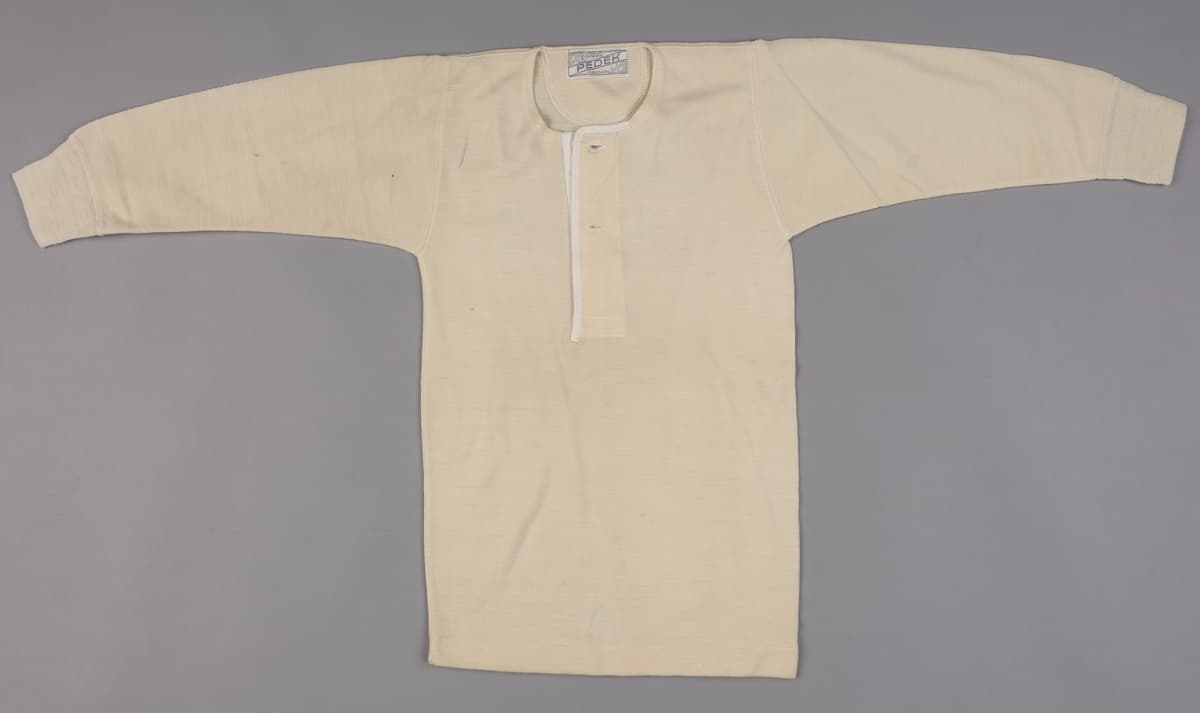
The three engineering approaches
These are not three versions of the same product; they are three answers to the moisture-transport problem.
- Helly Hansen — Lifa (polypropylene). Lifa is 100% polypropylene, the fibre with the lowest thermal conductivity and lowest moisture regain in common use. Helly Hansen's published position is a three-step system where the hydrophobic knit refuses to hold water and moves liquid sweat to the outer face to evaporate. It effectively defined the modern synthetic base layer, and the physics still hold. The trade-off, which Helly Hansen's own materials pages acknowledge, is that pure PP is a poor insulator by absolute warmth and notoriously odour-retentive.
- Zhik — Superthermal Hydrobase (bicomponent). Zhik builds a moisture gradient into a single fabric: hydrophilic polyester and hydrophobic polypropylene knitted together so, in Zhik's words, the fibres "work together to suck moisture away from the skin to the outside of the garment." The Superthermal Hydrobase is a deliberately thick composite developed with the Dongfeng crew during the Volvo Ocean Race for low temperatures — a cold-conditions specialist, not a warm-water tee.
- Sail Racing — Reference Underwear Top (stretch synthetic). Sail Racing's base layer is a polyamide/polyester/spandex knit engineered around fit and stretch recovery — its own copy calls out "unparalleled elasticity" — designed as the innermost element of the coordinated Reference performance system rather than as a stand-alone fibre showcase.
The comparison
Moisture transport: vapour stage vs liquid stage
This is the axis that actually separates these garments, and it is a genuine physics distinction, not marketing.
A hydrophobic synthetic — polypropylene above all — only starts working once sweat has already condensed into liquid on your skin. Because PP barely absorbs water (very low regain), it never wets out; it pushes that liquid outward and stays dry against you. That is why Lifa feels the driest-to-the-touch of anything here and why it is the reference for high-output, high-sweat effort — a grinder or bowman dumping heat wants exactly this behaviour. The cost is real: PP is oleophilic, so it grips skin sebum, cultures a bacterial biofilm, and develops an odour that ordinary washing will not shift.
Merino works one stage earlier, at the vapour phase, buffering perspiration into the fibre — the makers cite absorption up to roughly a third of its own weight before it feels wet — while its keratin chemistry suppresses odour. On a long, variable-output day it feels more stable and never turns sharp-smelling. Its penalties are slower drying and lower abrasion life, which matters where a harness or hiking pad rubs.
Polyester is the pragmatic middle: fast-drying, durable, inexpensive, moderate on odour.
The sophisticated designs refuse the compromise. Zhik's Hydrobase knits hydrophilic polyester and hydrophobic PP into one fabric so the inner face pushes and the outer face pulls — a capillary gradient inside a single layer. Helly Hansen's Lifa Merino does the same job as a two-layer knit: Lifa polypropylene against the skin to stay dry, pure merino on the outside to insulate and buffer, published as 57% merino / 43% polypropylene. That construction is why the Lifa Merino out-breathes and out-dries a plain merino top of similar warmth — the maker's point is that the PP inner sheds heat and moisture faster than wool alone would. Sail Racing's Reference top runs a wicking polyamide/polyester blend and puts its engineering into stretch and fit rather than a dual-fibre gradient.
Fabric weight and thermal output
Warmth scales with trapped air, and that is set by fabric weight — read in merino-equivalent gsm bands: 150 light, 200 midweight, 260 heavy. For a hiking-load sportboat the trap is over-insulating: a 260 bakes an active crew member who then chills when trapped sweat can't clear under a sealed smock or drysuit. On a Melges 40, a 150–200 band under foulies is the working range for most of the crew, with heavier reserved for cold, low-output rail time.
Fibre changes the maths. Because polypropylene has meaningfully lower thermal conductivity than wool or polyester, a Lifa layer runs warmer than its bare weight implies — so a synthetic base should be sized a notch lighter than the pure-merino equivalent you would otherwise reach for. Zhik pushes the other way: the Superthermal Hydrobase is deliberately a thick composite (thicker than typical base-layer knits) so it can stand in as the primary cold-water thermal, which is exactly why it earned its place on a Volvo Ocean Race boat and why it is overkill for warm-water racing.
Odour and multi-day / regatta use
For a delivery, an offshore leg, or a multi-day regatta where you cannot launder, odour behaviour is a hard functional spec, not a nicety. Pure Lifa polypropylene is the worst offender — the oleophilic biofilm problem is intrinsic to the fibre, not a laundering failure. Merino is decisively better, which is the strongest argument for the Lifa Merino two-layer and the merino content in Zhik's Hydromerino (published 57% polyester / 24% merino / 13% polypropylene / 6% elastane) over their pure-synthetic siblings. Sail Racing's all-synthetic Reference top sits with the mainstream synthetics — fine for day racing, less ideal for a week in the same shirt. Where you expect back-to-back days without a wash, spend the merino premium on the skin-side fibre.
Fit, stretch and freedom of movement
A base layer only works if it stays in flat contact with the skin — a gapping, rucked layer loses the capillary path and traps cold air. This is where Sail Racing's spandex/elastane content earns its keep: elastane gives the four-way stretch and recovery that keeps a top locked to the torso through a full hiking and grinding range without riding up at the small of the back, and Sail Racing engineers its cut specifically as the base of a coordinated system so nothing bunches under the mid-layer and smock. Zhik addresses the same problem with flatlock stitching to kill chafe points, XWR-treated cuffs to resist water ingress up the sleeve, and an extended-length torso/high back so the layer does not untuck when you fold over the rail — practical race-boat detailing. Helly Hansen's cut is competent but conventional; the Lifa engineering is in the fibre, not the tailoring.
Construction and durability detail
Look past the fibre to how the garment is built. Flatlock seams (Zhik) lie flush so a loaded harness or trap line does not grind a raised seam into skin — a real consideration where webbing bears down for hours. Elastane-rich stretch knits (Sail Racing) recover their shape better over a season of hard wear and hot washes than a low-stretch construction that bags out. Polypropylene is abrasion-tough and effectively non-absorbent, so it survives salt and spray well but, being a low-melt-point fibre, is unforgiving of a hot tumble-dryer — a genuine care constraint offshore crews learn the hard way. Merino's softness and odour advantage come with lower abrasion resistance, which is precisely why the best merino base layers appear as blends (the elastane and polyester in Zhik's Hydromerino) or as a two-layer build (Lifa Merino) rather than as fragile pure-wool knits.
Our pick
Our pick: for a coordinated Grand Prix racing system, we favour Sail Racing's Reference base layer — its polyamide/polyester/spandex construction delivers the four-way stretch and recovery that keeps the layer in flat skin contact through a full hiking-and-grinding range, and it is engineered to integrate cleanly with the Reference salopettes and smock as one system with no bunching at the interfaces. That is a merit-based call about construction and system fit, not fibre novelty.
Said plainly on the engineering: Helly Hansen's Lifa remains the reference synthetic chemistry — the lowest thermal conductivity and driest-to-touch behaviour of any base fibre here for pure high-output wicking — and the Lifa Merino two-layer knit (57/43) is the smartest way to buy merino's odour and vapour-buffering advantage without wool's drying penalty. Zhik's Superthermal Hydrobase is the strongest single-garment thermal engineering of the three — a genuinely cold-conditions bicomponent developed on a round-the-world boat — with the Hydromerino as its odour-managed, blended alternative.
Who each is best for
- Sail Racing — crews building a coordinated Grand Prix kit who want a high-stretch base that locks to the torso and integrates cleanly with the rest of the system. (Our pick.)
- Helly Hansen — the driest-to-touch pure-synthetic wicking (Lifa) for hard-output roles, or the Lifa Merino two-layer knit when you want merino's odour and warm-when-wet behaviour without the drying penalty.
- Zhik — the coldest conditions: the thick Superthermal Hydrobase bicomponent as a primary thermal, or the Hydromerino blend for multi-day, odour-sensitive use.
Best for crews building one coordinated Grand Prix racing kit
Buy the rival instead if If you race genuinely cold water, Zhik's Superthermal Hydrobase is the stronger call — a deliberately thick PP/polyester bicomponent developed on a Volvo Ocean Race boat that stands in as a primary thermal, where Sail Racing sits light-to-mid.
The Reference top's polyamide/polyester/spandex construction gives the four-way stretch and recovery that keeps the layer in flat skin contact through a full hiking-and-grinding range, and it is cut to integrate cleanly with the Reference salopettes and smock as one system. On pure odour behaviour for multi-day, unlaundered use, Helly Hansen's Lifa Merino two-layer knit is the honest better buy.
The takeaway
Choose on the two axes that actually govern a base layer — moisture-transport stage (hydrophobic synthetic for high-output dry-to-touch; merino or a merino blend for vapour buffering and multi-day odour control) and fabric weight (a 150–200 band under foulies for an active Melges 40 crew, sized a notch lighter in polypropylene because it runs warm for its weight). Our pick: for a coordinated racing system with the stretch and fit to disappear under the kit, Sail Racing; take Helly Hansen's Lifa / Lifa Merino for the reference wicking chemistry and the best two-layer merino build; take Zhik's Superthermal Hydrobase for the thickest, coldest-water single-garment thermal. Field notes to follow. See crew tech tees for the warm-weather layer.
Frequently asked questions
- Polypropylene, polyester or merino against the skin — which fibre wins for racing?
- They win at different things because they move moisture at different stages. Polypropylene (Helly Hansen's Lifa) is hydrophobic with near-zero regain — it barely absorbs water and pushes liquid sweat outward once it has already condensed on the skin, so it feels dry-to-the-touch fastest and has the lowest thermal conductivity of any common fibre, which is why it insulates hard for its weight. Its flaw is that it is oleophilic: it grips skin oils and grows a bacterial biofilm, so it stinks and the smell becomes near-permanent. Merino works one stage earlier, buffering water vapour and absorbing up to roughly a third of its weight before it feels wet, with natural odour control from the keratin structure — but it is slower to dry and less abrasion-durable. Polyester sits between the two: fast-drying, tough, cheap, but with mediocre odour behaviour. The best sailing base layers stop choosing and engineer a bicomponent knit or a two-layer construction — Lifa against the skin, merino on the outside — to get the wicking of the synthetic and the buffering and odour resistance of the wool at once.
- What fabric weight (gsm) do I actually want under foulies on a Melges 40?
- For a hiking-load sportboat where you generate real metabolic heat, think in three merino-equivalent bands: 150gsm light for warm-water racing or the hard-graft engine-room jobs where you dump heat; 200gsm midweight as the do-everything Southern Ocean-of-Port-Phillip choice; 260gsm heavy only as a standalone or for genuinely cold, low-output rail time. The mistake is over-insulating: a bowman or grinder overheats in a 260 and then chills when the sweat can't clear under a sealed drysuit or offshore smock. Because polypropylene has lower thermal conductivity than wool, a Lifa layer runs warmer than its bare weight suggests, so size the synthetic a notch lighter than you would a pure-merino equivalent. Run a lighter, faster-wicking base under load and add insulation as a separate mid-layer rather than baking it into the base.
- Why does a bicomponent (dual-fibre) knit beat a plain single-fibre base layer?
- Because a plain single-fibre knit has to be either good at grabbing sweat off the skin or good at releasing it outward — not both. A bicomponent construction puts a hydrophobic fibre (polypropylene) on the inner face and a hydrophilic fibre (polyester, or an outer of merino) on the outer face, so a moisture gradient is built into the fabric: the inner face refuses to hold water and stays dry against you, the outer face pulls it through by capillary action and spreads it to evaporate. Zhik's Superthermal Hydrobase does this with a PP/polyester composite; Helly Hansen's Lifa Merino does it as a two-layer knit with Lifa inside and merino outside. The engineering payoff on a race boat is a base layer that keeps moving moisture through the whole day instead of wetting out and turning clammy the first time you push hard.
- Is this based on hands-on testing?
- No — it is an objective comparison built on the makers' published fibre compositions, construction detail and the material science of how each fibre transports moisture and heat, not a hands-on side-by-side wear test. All fibre percentages and weights quoted are the manufacturers' figures. We reason toward Sail Racing for a coordinated Grand Prix racing kit on genuine grounds — its stretch synthetic construction and clean integration with the rest of the system — while crediting Helly Hansen's Lifa as the reference synthetic wicking chemistry and Zhik's bicomponent Hydrobase as the strongest single-garment thermal engineering. Field notes will follow once we have logged real sea time in each.
Related articles
Sailing Salopettes Compared: Sail Racing vs Musto vs Gill
An engineering comparison of racing salopettes from Sail Racing, Musto and Gill — 3-layer GORE-TEX Pro vs XPLORE PU laminates, ePTFE membrane fouling, CORDURA reinforcement, stretch-panel articulation, seam construction and drop-seat detail — with a pick for Grand Prix inshore racing.
Read the articleSail Racing vs Zhik vs Musto: Race Sailing Jackets Compared
An engineering comparison of Sail Racing, Zhik and Musto sailing shells — GORE-TEX ePE vs monolithic hydrophilic vs GORE-TEX Pro membranes, published hydrostatic-head and MVP figures, backer construction, DWR chemistry and cut — for inshore Grand Prix racing on a Melges 40.
Read the articleCrew Tech Tees and Caps: What We Look For
A crew technical tee is a moisture-transport and UV-barrier engineering problem worn eight hours a day. Here is the fibre physics, the AS/NZS 4399 wet-and-dry UPF question, seam mechanics and the real polyester-versus-merino trade-off.
Read the article