2 min read · Updated 25 June 2026
To anchor a boat, you choose sheltered water, lower the anchor, let out enough line for the depth, and pull back to set it firmly. Done well, anchoring lets you stop safely almost anywhere; done poorly, the anchor drags and the boat drifts into trouble. It is a core seamanship skill, and the principles are straightforward once you understand what makes an anchor hold.
Choosing the spot
A good anchorage has four things: shelter from the wind and waves, good holding ground (sand and mud hold well; weed and rock poorly), the right depth, and room to swing. A boat at anchor swings in a circle as the wind and tide change, so you need space clear of other boats and hazards all the way round.
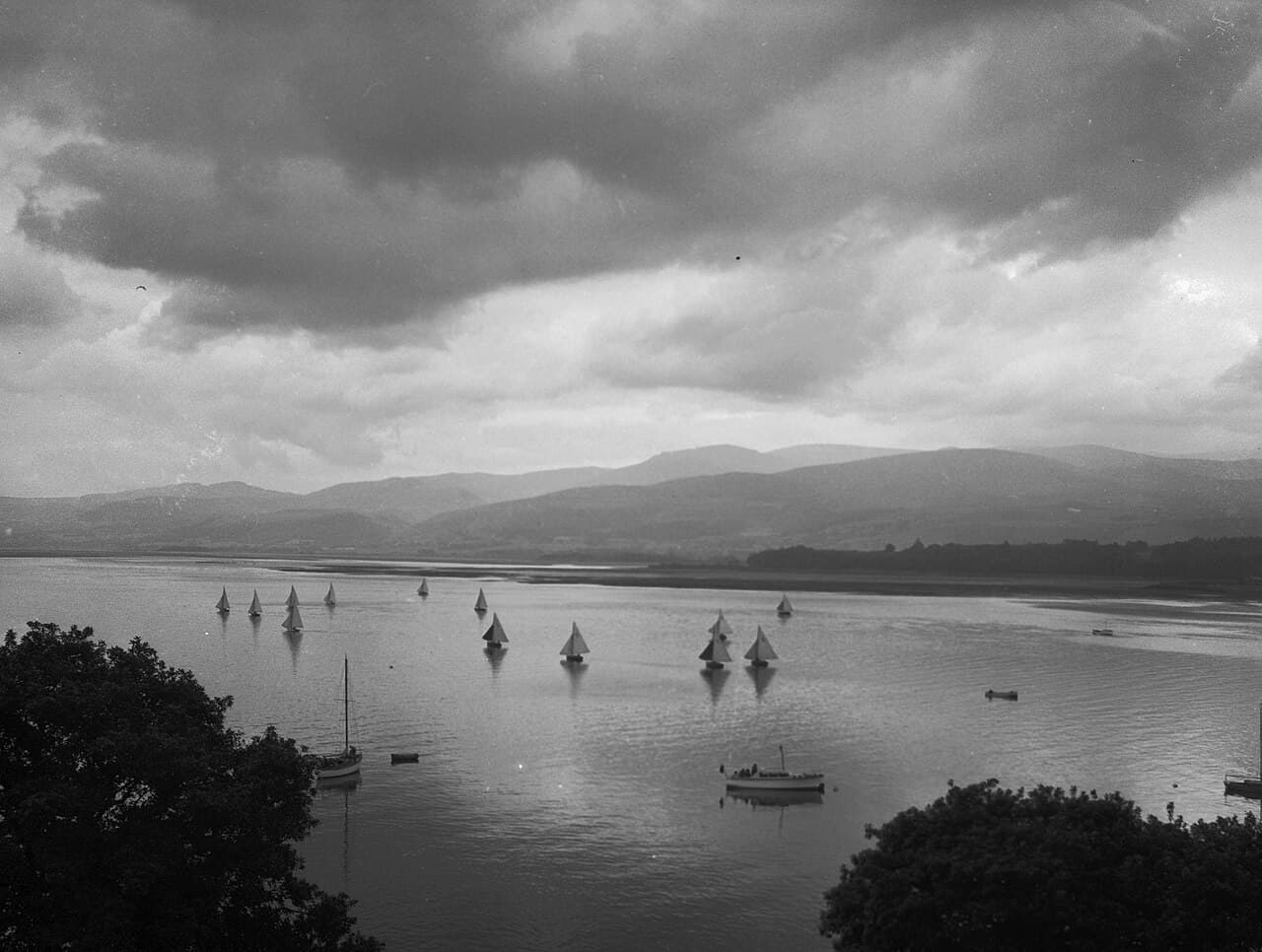
Setting the anchor
The sequence is deliberate and unhurried:
- Approach the chosen spot slowly, into the wind, and bring the boat to a stop.
- Lower the anchor to the bottom — don't throw it.
- Let the boat drift back while you pay out the anchor line, giving enough scope for the depth.
- Pull back gently (with the engine astern or by letting the wind push the boat back) to dig the anchor in and set it.
- Check it is holding before you relax.
Scope — the key to holding
The single most important number is scope: the ratio of anchor line let out to the water depth (measured to the bow, and allowing for the tide). More scope makes the pull on the anchor more horizontal, which is what lets it dig in and hold rather than being pulled straight up. A common guide is at least five times the depth for chain, more for rope, and more again in strong wind. Too little scope is the number-one reason anchors drag.
Checking it holds
Once set, confirm the anchor is holding by taking transits or bearings on fixed objects ashore and watching that they stay steady — if the boat holds its position, you're set. Many sailors also feel the load on the line (firm and steady means holding; soft and juddering means dragging), and set a GPS anchor alarm as a backstop, especially overnight.
If it drags
If the anchor drags, it usually means too little scope, poor holding, or a load stronger than the anchor can take. Let out more scope and re-set, or move to better ground. Anchoring rewards patience — it is always worth taking the time to get it right rather than trusting a doubtful set. For the wider seamanship picture, see man overboard recovery, and the sailing terms glossary for the terms.
Frequently asked questions
- How do you anchor a boat?
- Choose a sheltered spot with good holding and room to swing, motor or drift up to it slowly into the wind, and lower the anchor to the bottom. Then let the boat drift back while paying out enough anchor line — the scope — for the depth, typically several times the water depth. Once it is out, pull back gently to dig the anchor in and set it, then check it is holding by taking bearings on the shore.
- What is anchor scope?
- Scope is the ratio of the length of anchor line you let out to the depth of the water (measured to the bow, including the tide). More scope makes the pull on the anchor more horizontal, which helps it dig in and hold. A common guide is at least five times the depth for chain and more for rope, increasing it in strong wind. Too little scope is the most common reason an anchor drags.
- How do you know if an anchor is holding?
- After setting the anchor, take transits or bearings on fixed objects ashore and watch whether they stay steady — if the boat holds its position relative to them, the anchor is set. Many sailors also feel the anchor line: a holding anchor gives a firm, steady load, while a dragging one feels like a soft, juddering pull. A GPS anchor alarm gives a further check.
- Why does an anchor drag?
- An anchor drags when it cannot dig in or hold against the pull on it. The usual causes are too little scope (so the pull is too vertical), poor holding ground such as weed or rock, not setting the anchor firmly in the first place, or wind and tide stronger than the anchor can hold. Letting out more scope and re-setting usually fixes it.
- What affects where a boat anchors?
- Shelter from wind and waves, the depth, the type of seabed (sand and mud hold well; weed and rock poorly), and room to swing. A boat at anchor swings in a circle as the wind and tide change, so you need space clear of other boats and hazards. The tide also matters — the water will be deeper at high tide, which affects how much scope you need.