3 min read · Updated 18 June 2026
The simplest way to understand the sport is that inshore racing is short, tactical racing on enclosed water around laid marks, while offshore racing is long, point-to-point racing in the open sea. Both are yacht racing, but they ask for almost opposite strengths — one rewards split-second boat-handling and tactics, the other rewards endurance, navigation and seamanship over hours or days.
Inshore racing
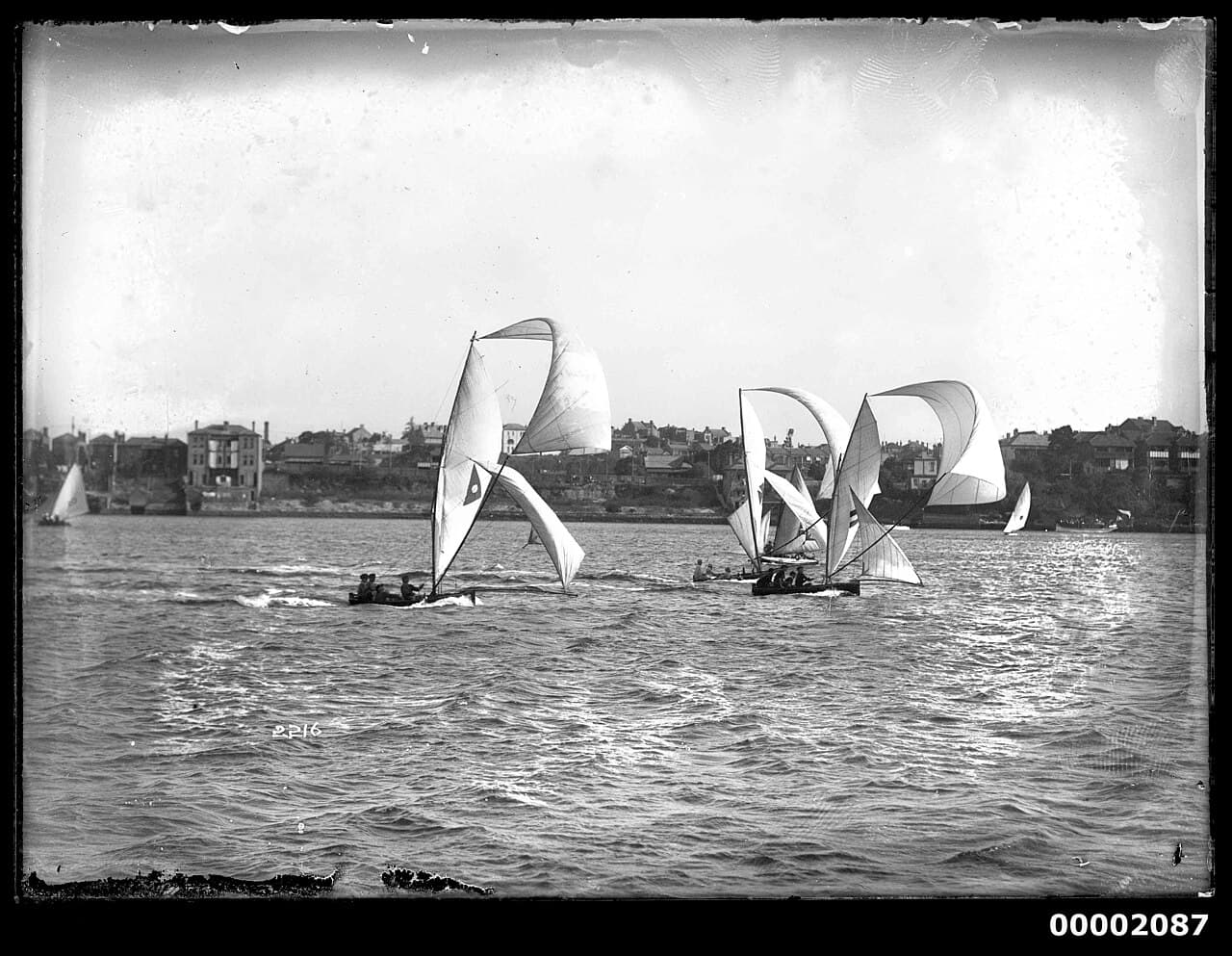
Inshore racing happens on relatively sheltered water — a bay, a harbour, or close along the coast — around a course of buoys, most often a windward-leeward course straight up into the wind and back down. Races are short, often under a couple of hours, and a regatta packs several into a day.
Because the boats race close together and the course is compact, inshore racing is decided by fine margins: a clean start, sharp manoeuvres, fast mark roundings, and good tactical positioning relative to rivals and wind shifts. It is the most concentrated, competitive form of the sport, and it is where one-design and grand-prix fleets shine, racing boat-for-boat on identical machines.
Offshore racing
Offshore racing sends boats on long passages across open water — port to port, or on a long loop — over distances from tens to hundreds of nautical miles. These races last from a long day to several days, so crews sail through the night in watch systems, taking turns to rest while the boat keeps racing.
The demands are different in kind. Navigation and weather strategy become central, as crews position for wind systems and currents over a large area. The boat must be prepared and self-sufficient, carrying offshore safety equipment, because help is far away. Seamanship — keeping boat and crew performing safely in whatever the sea delivers — is decisive. Australia's offshore classics, from the Sydney Hobart to the coastal passage races, live in this world.
How they compare
| Inshore | Offshore | |
|---|---|---|
| Water | Bay, harbour, coastal | Open sea |
| Course | Buoys, often windward-leeward | Point-to-point or long loop |
| Duration | Hours | Many hours to several days |
| Decided by | Starts, handling, tactics | Navigation, endurance, seamanship |
| Crew | On the rail, fast manoeuvres | Watch systems, self-sufficiency |
Which boats do which
Many boats race both, but designs are often optimised for one discipline. Inshore-focused boats prioritise acceleration, manoeuvrability and crew agility; offshore boats emphasise seaworthiness, the ability to sustain a crew, and full safety equipment. Some high-performance designs do both well, racing inshore regattas and coastal events alike. However a result is reached, the line honours versus handicap distinction applies to both: the first boat home is not always the official winner. For the words you will meet around either discipline, see the sailing terms glossary.
Frequently asked questions
- What is the difference between offshore and inshore yacht racing?
- Inshore racing is short, tactical racing held on enclosed or coastal water around a course of laid marks, usually completed in a few hours. Offshore racing is long-distance, point-to-point racing in open sea, lasting from many hours to several days. Inshore rewards boat-handling and tactics; offshore rewards endurance, navigation and seamanship.
- What is inshore racing?
- Inshore racing takes place on relatively sheltered water — a bay, harbour or close to the coast — around a course marked by buoys, most often a windward-leeward course straight up into the wind and back down. Races are short and intense, decided by starts, manoeuvres, mark roundings and tactical positioning rather than survival.
- What is offshore racing?
- Offshore racing sends boats on long passages across open water, from one port to another or on a long loop, over distances of tens to hundreds of nautical miles. Crews sail through the night in watch systems, navigate weather systems, and must be self-sufficient. Famous examples include the Sydney Hobart and other ocean classics.
- Is offshore or inshore racing harder?
- They are hard in different ways. Inshore racing is intensely competitive and technical, with boats racing metres apart and races won by small handling and tactical margins. Offshore racing is physically and mentally demanding over long periods, testing endurance, navigation, preparation and seamanship in conditions that can turn serious.
- Do the same boats do both offshore and inshore racing?
- Many do, but boats are often optimised for one. Inshore-focused boats prioritise acceleration, manoeuvrability and crew agility, while offshore boats emphasise seaworthiness, comfort enough to sustain a crew, and the safety equipment required for open water. Some high-performance designs, including modern grand-prix one-designs, race well inshore and in coastal events.