3 min read · Updated 25 June 2026
Reading the wind — its direction, its strength, and how it is changing — is the single most important skill in sailing. Everything else follows from it: which way you can sail, how to set the sails, when to tack. Good sailors are reading the wind constantly, almost without thinking, from a handful of clues on the water and in the air. Here is how they do it.
Direction: where is it coming from?
The first thing to establish is where the wind is coming from. Look for what lines up with it:
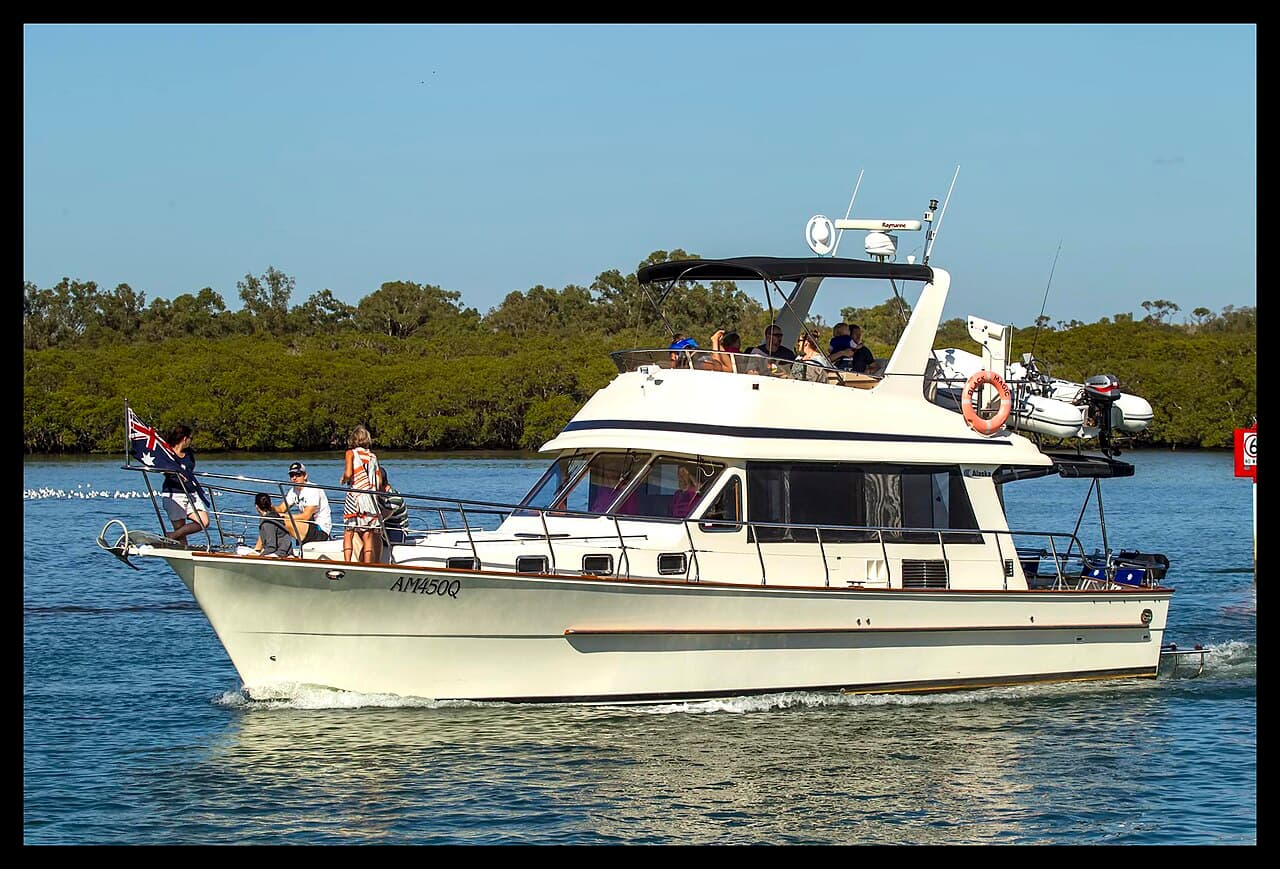
- Flags, burgees and smoke stream directly downwind.
- Moored boats lie head to wind, pointing into it.
- Other sailing boats reveal the wind by the set of their sails and the way they heel.
- On the water itself, wind ripples and streaks run in the wind's direction.
And the oldest trick of all: turn your face until the wind feels even on both ears — you are then looking straight into it. Which direction you can sail relative to that wind is the set of points of sail.
Strength: reading the surface
The surface of the water is a live map of the wind. Darker, more textured, rippled patches are areas of more wind — a gust or a band of stronger breeze. Lighter, smoother, glassier patches are areas of less wind, or a lull. Learning to read these lets you see the wind before it reaches you — steering towards more pressure, or preparing to ease sheets and hike as a gust arrives. The overall strength, from a mirror calm to a howling gale, is what the Beaufort scale describes.
Shifts: how is it changing?
The wind is never perfectly steady — it shifts in direction and pulses in strength. A wind shift can lift you closer to where you want to go, or head you away from it, so anticipating shifts is hugely valuable, especially when racing. Watch the wind on the water ahead, on the boat's instruments, and by feel, and you can use the shifts rather than be caught out by them.
True and apparent wind
One subtlety worth knowing: the wind you feel on a moving boat is not the true wind but the apparent wind — a blend of the true wind and the wind created by the boat's own motion. Reading the difference between the two is part of the craft, and it is why fast boats feel the wind well forward of where it truly blows.
Staying one step ahead
The goal of all this is to stay ahead of the wind rather than reacting to it — to have the boat positioned in more pressure, the sails set right before conditions change, and the tactics ready for the next shift. It is a skill that never stops developing, and it is what separates a sailor who fights the wind from one who dances with it. For the practical side, see how to sail a boat, and the sailing terms glossary for the language.
Frequently asked questions
- How do you read the wind when sailing?
- You read the wind from several clues at once: the pattern on the water's surface (darker, rippled patches mean more wind; smooth patches mean less), the direction flags, smoke and other boats' sails are pointing, and the feel of the wind on your face and ears. Experienced sailors constantly scan all of these to sense the wind's direction, strength and how it is changing.
- How do you tell wind direction on the water?
- Look at what lines up with the wind: flags and burgees stream directly downwind, moored boats lie head to wind, and other sailing boats' sails and heel show the wind direction. On the water itself, wind ripples and streaks run in the direction the wind is blowing. Turning your face until the wind feels even on both ears also points you straight into it.
- What do dark patches on the water mean?
- Darker, more textured patches on the water are areas of more wind — a gust or a band of stronger breeze rippling the surface. Lighter, smoother, glassier patches are areas of less wind, or a lull. Reading these patches lets a sailor see the wind before it arrives, and steer towards more pressure or prepare for a gust or a lull.
- What is a wind shift?
- A wind shift is a change in the wind's direction. Shifts can be gradual or sudden, and they matter enormously, especially when racing, because a shift can lift you closer to your goal or head you away from it. Watching the wind on the water, on the boat's instruments and by feel lets a sailor anticipate shifts and use them rather than be caught out.
- Why is reading the wind so important?
- Because everything in sailing is relative to the wind — which way you can go, how to set the sails, when to tack. A sailor who reads the wind well can position the boat in more pressure, anticipate gusts and shifts, and get the sails set right before conditions change. It is the difference between reacting to the wind and staying one step ahead of it.