2 min read · Updated 1 July 2026
Running aground means the keel has hit the bottom — and a calm, methodical response keeps it a minor event. It happens to almost every sailor eventually, especially in shallow or unfamiliar water, and most groundings are harmless. The key is to check safety and damage, work out the tide, and then act — rather than instinctively gunning the engine.
What it is
Running aground is when the boat's keel or hull touches or sticks on the bottom — seabed, sandbank, mud or rocks — so it can't float freely and stops. It ranges from a gentle nudge into soft mud (usually harmless) to hitting rocks hard (which can damage the hull). How serious it is depends on the speed, the bottom, and the tide.
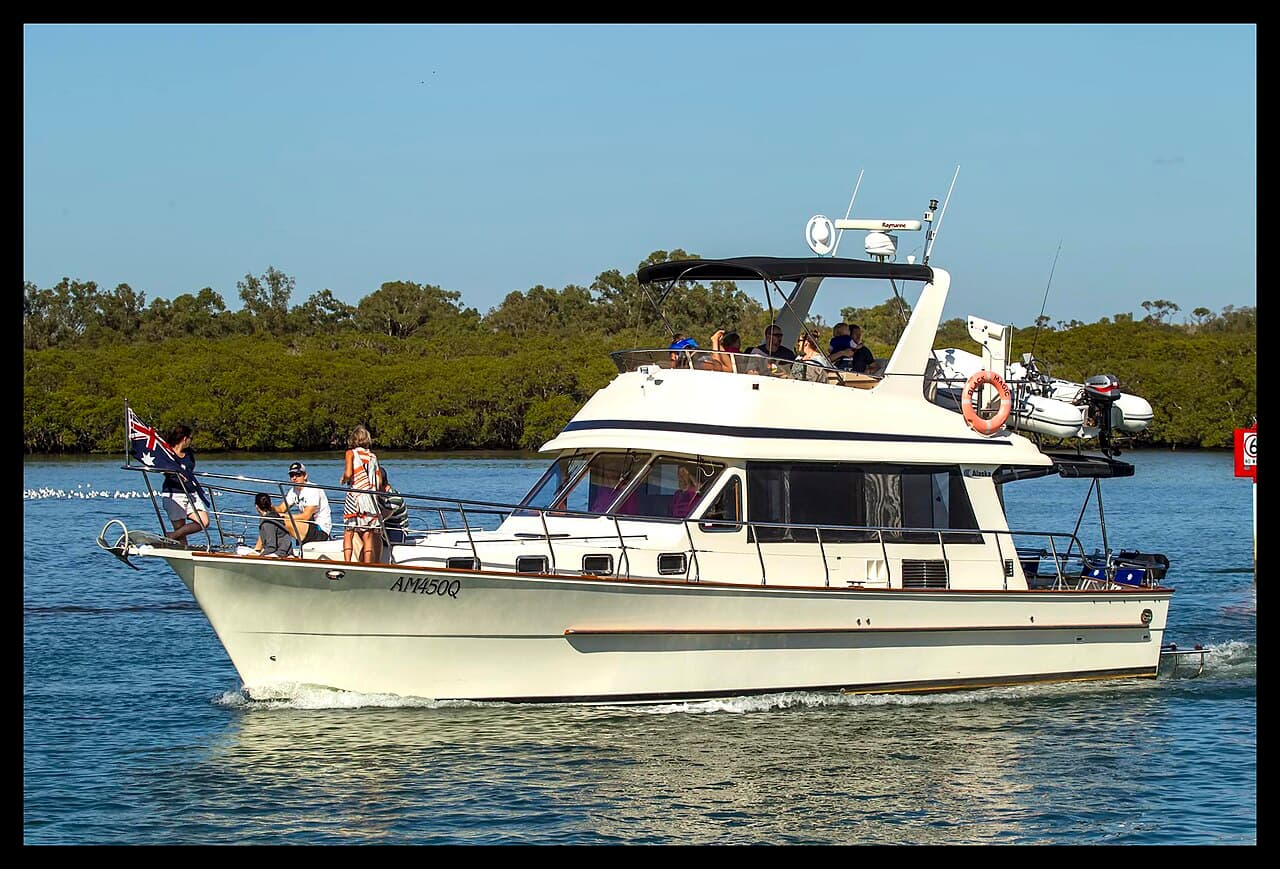
First: safety, damage, tide
Before trying to get off, in the first moments:
- Check the crew are safe and unhurt.
- Check the boat for damage and whether it's taking on water — on rocks a grounding can hole the hull.
- Work out the tide — is it rising or falling? This changes everything.
Staying calm and assessing safety, damage and tide first stops a minor grounding becoming a bigger problem — and resists the instinct to blindly gun the engine, which can cause more harm.
Getting off
The aim is to reduce the boat's draft and get it back to deeper water:
- Heel the boat — move crew weight out to the side, or haul the boom out — to lift the keel slightly and free it.
- Motor gently back the way you came, towards the deeper water you just left.
- Kedge — take an anchor out into deep water and haul the boat towards it.
To wait or not — it's the tide
Whether to wait depends entirely on the tide:
- Rising tide → waiting can be the simplest fix; the water floats you off with little effort.
- Falling tide → act quickly to get off before the boat is left high and dry, possibly heeled over on the bottom for hours until the next high tide.
This is why knowing the state of the tide is the first and most important information when you run aground.
Avoiding it
Most groundings come from straying out of the channel, misjudging the tide, or not watching the depth — so attentive navigation prevents the majority:
- Navigate with an up-to-date chart and chartplotter.
- Watch the depth sounder.
- Understand the tide so you know how much water you really have.
- Stay in marked channels and clear of charted shallows.
For the vocabulary, see the sailing terms glossary.
Frequently asked questions
- What does running aground mean?
- Running aground means the boat's keel or hull has touched or stuck on the bottom — the seabed, a sandbank, mud or rocks — so the boat can no longer float freely and stops. It ranges from a gentle nudge into soft mud, which is usually harmless, to hitting rocks hard, which can damage the hull. Running aground is a common experience, especially in shallow or unfamiliar waters, and how serious it is depends on the speed, the bottom and the state of the tide.
- What should you do first if you run aground?
- Check that the crew are safe and unhurt, then check the boat for damage and whether it is taking on water, because on rocks a grounding can hole the hull. At the same time work out the state of the tide — whether it is rising or falling — because that changes everything about your options. Staying calm and assessing safety, damage and tide before acting stops a minor grounding from becoming a bigger problem, and avoids the instinct to blindly gun the engine, which can cause more harm.
- How do you get a boat off after running aground?
- The aim is usually to reduce the boat's draft and pull or push it back to deeper water. Heeling the boat over — by moving crew weight out to the side or hauling the boom out — lifts the keel slightly and can free it, and motoring gently back the way you came, the direction of deeper water, often works. Kedging, where you take an anchor out into deep water and haul the boat towards it, is another method. If the tide is rising you may simply wait for it to lift you off.
- Should you wait for the tide if you run aground?
- It depends which way the tide is going. If the tide is rising, waiting can be the simplest solution, as the rising water will float the boat off with little effort. But if the tide is falling, you must act quickly to get off before the boat is left high and dry and possibly heeled over on the bottom for hours until the next high tide. This is exactly why knowing the state of the tide is the first and most important piece of information when you run aground.
- How do you avoid running aground?
- Navigate carefully using an up-to-date chart and chartplotter, watch the depth sounder, understand the state and height of the tide so you know how much water you really have, and stay within marked channels and clear of charted shallows and hazards. Local knowledge of where the shallow spots and sandbars are helps a great deal, as they can shift. Most groundings come from straying out of the channel, misjudging the tide, or not watching the depth, so attentive navigation prevents the majority of them.