2 min read · Updated 28 June 2026
Weather helm is a boat's tendency to turn up into the wind; lee helm is the opposite. Every sailing boat has a natural steering balance, and understanding it — and how to adjust it — is part of sailing well. A little weather helm is a good thing; too much is a brake. Lee helm is best avoided altogether.
Weather helm
Weather helm is the boat's natural tendency to turn up towards the wind, so the helmsman holds the tiller towards the sail (or turns the wheel) to keep it straight. A small amount is desirable:
- It gives the helm a positive feel and feedback.
- The rudder adds a little lift.
- It's a safety feature — release the helm and the boat rounds up and slows rather than accelerating out of control.
But too much weather helm forces the rudder to a big angle, which acts like a brake, slowing the boat and tiring the helmsman.
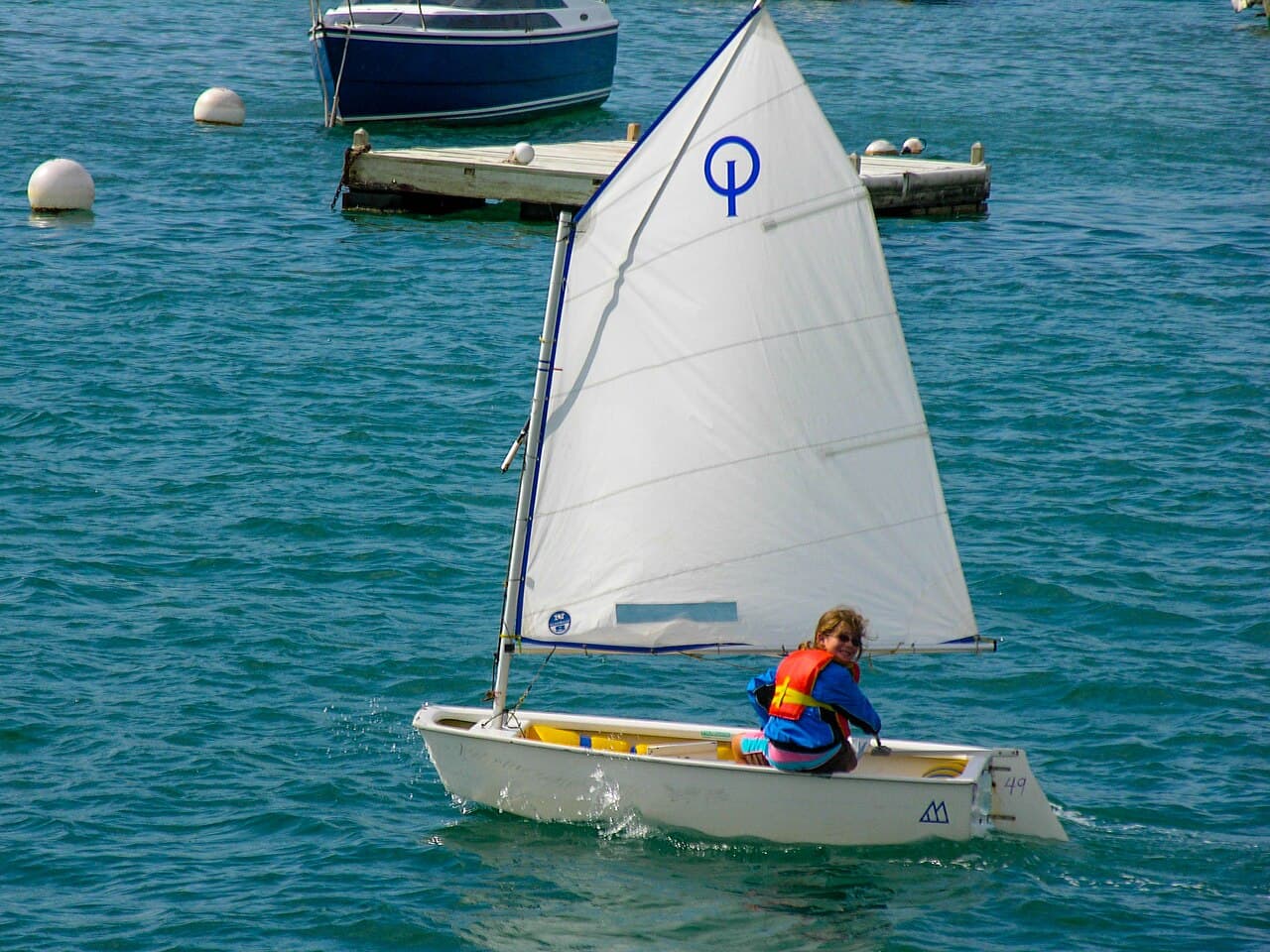
Lee helm
Lee helm is the reverse — the boat tends to turn away from the wind, so the helmsman holds the helm the other way. It's generally undesirable and can be dangerous: release the helm and the boat bears away instead of rounding up safely. It usually means the sail balance is wrong — often too little mainsail or too much headsail.
What causes it
The helm balance comes from two points on the boat:
- The centre of effort of the sails (where their force acts).
- The centre of lateral resistance of the hull (where the keel's resistance acts).
When the sails' centre of effort is behind the hull's, the stern is pushed to leeward and the bow turns up — weather helm. Crucially, weather helm increases with heel and when the boat is overpowered, because heeling shifts the driving force out to the side. A boat balanced in light air can develop strong weather helm in a gust.
Balancing the helm
The key to reducing excessive weather helm is to reduce heel and rebalance the sails:
- Depower the mainsail — ease the sheet, tighten the vang and cunningham, or reef.
- Flatten the sails and move crew weight to cut heel.
- Adjust the rig (such as mast rake) for a longer-term fix.
Keeping the boat more upright is the single most effective cure — which is why reefing early in a building breeze makes a boat both easier to steer and faster. Helm balance is part of the wider art of making a boat sail to windward; for the vocabulary, see the sailing terms glossary.
Frequently asked questions
- What is weather helm?
- Weather helm is a sailing boat's natural tendency to turn up towards the wind, so the helmsman has to hold the tiller towards the sail (or turn the wheel) to keep it sailing straight. It comes from the balance between the sails and the hull, and a small amount is desirable — it gives the helm a positive feel and means the boat will round up into the wind and slow down if the helm is let go, which is safe. Too much, though, drags the rudder and slows the boat.
- What is lee helm?
- Lee helm is the opposite of weather helm: the boat tends to turn away from the wind, so the helmsman must hold the helm the other way to keep it straight. Lee helm is generally undesirable and can be dangerous, because if the helm is released the boat bears away rather than rounding up safely into the wind, and it usually signals that the sail balance is wrong — often too little mainsail or too much headsail.
- What causes weather helm?
- Weather helm comes from the sails' centre of effort being behind the hull's centre of lateral resistance, which pushes the stern to leeward and turns the bow up into the wind. It increases as the boat heels over and as it is overpowered in stronger wind, because heeling shifts the driving force off to the side. That is why a boat that is well balanced in light air can develop strong weather helm in a gust.
- How do you reduce weather helm?
- The main way is to reduce heel and rebalance the sails. Depowering the mainsail — easing the sheet, tightening the vang and cunningham, or reefing — reduces heel and moves the balance forward, cutting weather helm. Flattening the sails, moving crew weight to reduce heel, and adjusting the rig (such as mast rake) all help. Keeping the boat more upright is the single most effective fix, which is why reefing early in a building breeze makes a boat easier to steer and faster.
- Is weather helm good or bad?
- A small amount of weather helm is good: it gives the helmsman feel and feedback, adds a little lift from the rudder, and provides a built-in safety feature because the boat will head up and slow if the helm is released. Excessive weather helm is bad — the rudder has to be held at a large angle, which acts like a brake, slows the boat and tires the helmsman. The aim is a light, positive weather helm, not a heavy fight with the tiller.