Sail Port Stephens
Sail Port Stephens is one of Australia's largest sailing regattas — a multi-week autumn festival at Nelson Bay, NSW, spanning cruising, IRC, sportsboats and more.
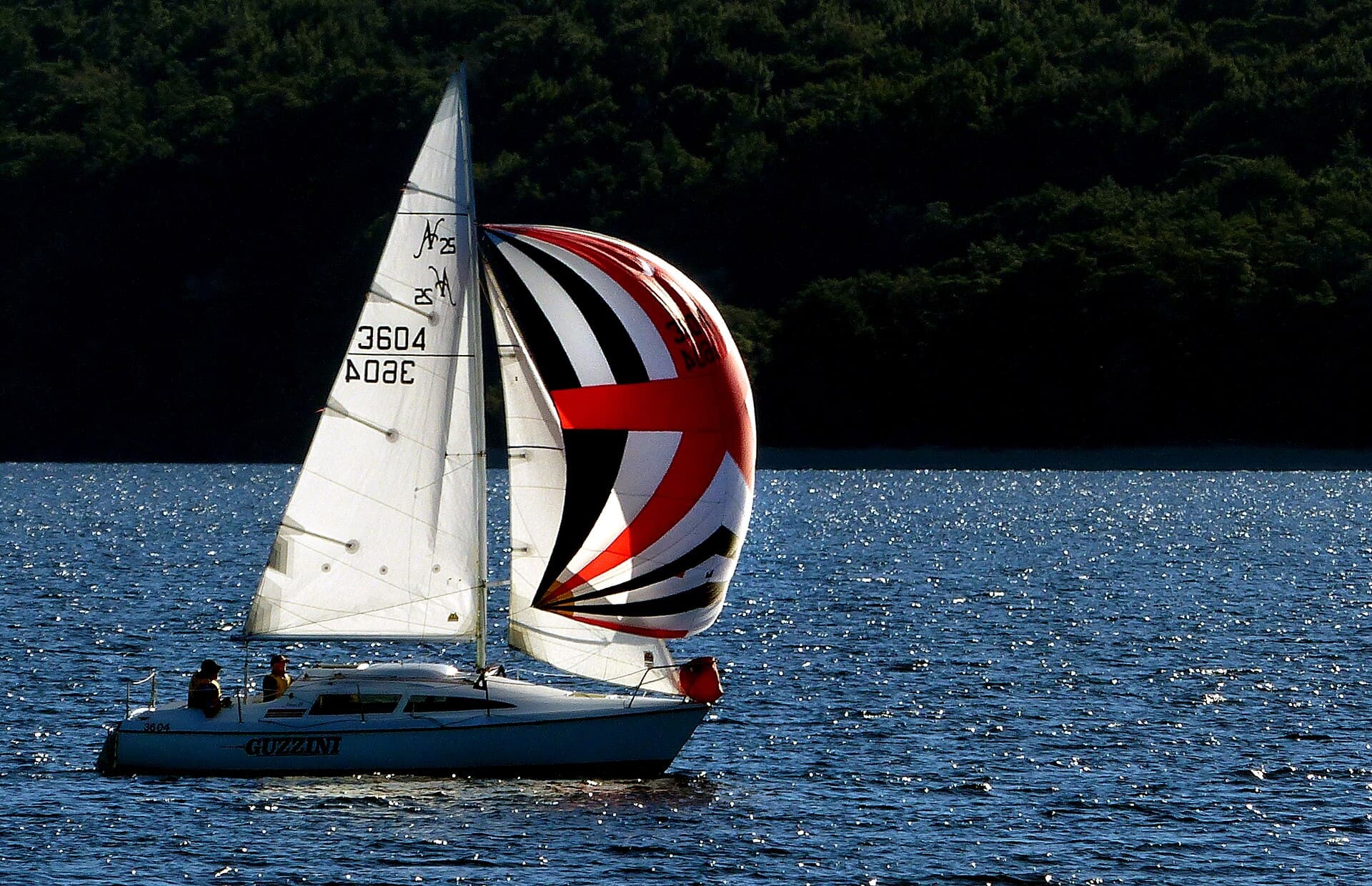
Photo: Bernard Spragg. NZ from Christchurch, New Zealand, CC0, via Wikimedia Commons
5 min read
Sail Port Stephens is one of Australia's largest sailing regattas — a multi-week autumn festival at Nelson Bay, New South Wales, that gathers cruising yachts, grand-prix racers, sportsboats, multihulls and dinghies into one extended programme. Rather than a single weekend of racing, it stitches together several distinct regattas across April and into early May, which is why it can claim one of the broadest fleets of any keelboat event on the Australian east coast.
If you are deciding whether to enter or simply want to follow the racing, the short version is this — there is a division for almost every type of boat, the racing is spread across separate weeks so the styles do not collide, and the whole thing is run on the sheltered bays and offshore waters of one of the most picturesque cruising grounds in the country.
What it is
Sail Port Stephens is a multi-series sailing festival held on the waters of Port Stephens, centred on the town of Nelson Bay. It is best understood not as one regatta but as several running back to back — a cruising-focused opening, a performance-racing centrepiece, and a closing series of passage and off-the-beach racing. Each has its own character, entry list and prize-giving.
That structure is the heart of its appeal. A cruising couple can race their boat under handicap one week, while a professional crew on a Melges 40 or a TP52 can line up for windward-leeward racing the next, all under the same banner. Port Stephens Council and Destination NSW describe it as the largest sailing regatta in Australia, with more than 300 boats across the festival — a scale that comes directly from this layered format.
History
The regatta grew out of a partnership between local sailing organisers and the Port Stephens tourism sector, with race-management support from established New South Wales clubs as the event expanded. Over time it has become a fixture of the autumn calendar, backed by Destination NSW and Port Stephens Council, who promote it both as a sporting contest and as a significant driver of regional tourism.
What began as a modest invitation regatta has steadily added series and classes year on year. The deliberate strategy — widening the fleet rather than chasing a single elite class — is what carried it to its current standing as one of the country's biggest sailing events by boat count. Each edition tends to introduce a new wrinkle, whether a teams challenge, an extra one-design class, or a fresh offshore element.
The course and format
Racing at Sail Port Stephens makes the most of the geography, splitting between sheltered bay courses and more exposed offshore and passage racing. Inshore, bay courses host windward-leeward and short-course racing, ideal for the performance fleet and sportsboats where tight, repeatable racing rewards boat-handling. These courses keep the action close to the marinas and within sight of spectators ashore.
Beyond the bays, passage and offshore courses send boats across the wider harbour and out past the heads into open water, testing navigation and endurance rather than pure boat-speed around the cans. This is where the difference between line honours and handicap racing becomes vivid — the first boat home is not always the winner once corrected times are applied.
The festival's blocks each lean a particular way. The Commodores Cup is built around passage racing under performance handicap with spinnaker and non-spinnaker divisions. The Performance Racing week brings the windward-leeward courses to the fore for the grand-prix fleet, sailed under IRC. The Super Series returns to passage and off-the-beach formats. For the meaning of any unfamiliar terms here, the sailing terms glossary is a useful companion.
The fleet and classes
The defining feature of Sail Port Stephens is the sheer breadth of its fleet. Few regattas anywhere in Australia welcome such a wide span of boats, and that variety is the point — it is built to be inclusive rather than narrow.
On the performance side you will find IRC and ORC yachts, TP52s, and a Super Racer Cruiser division for larger boats, racing in the kind of fleet where the IRC versus ORC handicap distinction genuinely matters. Sportsboats race in their own series, alongside one-design classes where boats are identical and the result comes down to crew skill — the principle behind one-design yacht racing. Multihulls have their own Cat Stephens series, and off-the-beach dinghy classes round out the smaller end. At the cruising end, performance-handicap divisions give club and family crews a genuine place to race.
This range means a trailable sportsboat, a cruising yacht and a professionally crewed offshore racer can all find an appropriate division. It is rare to see performance, IRC, sportsboats, cruising and trailables catered for so comprehensively under one event.
How to enter
Entries are taken online through the official Sail Port Stephens website. Because the festival is divided into separate weeks and series, you nominate for the block and division that suits your boat — you might enter only the cruising Commodores Cup, only the Performance Racing week, or several series in succession. Each series publishes its own notice of race and sailing instructions, which set out eligibility, handicap requirements and safety category.
Before nominating, check which handicap system your division uses and confirm your boat meets the relevant safety standard for any offshore or passage racing, as some series require a higher category. If you are new to the event, the cruising divisions are the most accessible entry point. The wider programme and our boat page will help you match your vessel to the right division.
How to follow
During the regatta, live and final results are published on the official Sail Port Stephens website, organised by series and division so you can track a particular class easily. Sailing media outlets cover the racing daily with reports and photography, and the event's social channels carry images, video and updates from the water and the dockside.
Ashore, Nelson Bay turns on a genuine festival atmosphere, with marina-side gatherings woven through the racing weeks — so following along in person is as much about the shore-side buzz as the sailing itself. Whether you are crewing, spectating from the headlands, or watching results roll in from afar, there is always a thread of the regatta to pick up.
Frequently asked questions
- What is Sail Port Stephens?
- Sail Port Stephens is a multi-week autumn sailing festival held on the waters of Port Stephens, centred on Nelson Bay in New South Wales. It bundles several distinct regattas — a cruising-focused Commodores Cup, a Performance Racing series, and a Super Series of passage and off-the-beach racing — into one extended event that draws boats from across Australia.
- Where is Sail Port Stephens held?
- The regatta is based at Nelson Bay in Port Stephens, on the New South Wales mid-north coast roughly two hours' drive north of Sydney. Race operations run from waterfront marinas including d'Albora Marina at Nelson Bay and The Anchorage Marina at Corlette, with racing on the sheltered bays and the offshore waters beyond the heads.
- When does Sail Port Stephens take place?
- It runs in autumn, spread across several weeks from mid-April into early May. The event is split into separate weeks so that cruising yachts, grand-prix performance boats and sportsboats each get their own block of racing rather than competing on the same days.
- Is Sail Port Stephens really one of Australia's largest sailing regattas?
- Port Stephens Council and Destination NSW describe it as the largest sailing regatta in Australia, with more than 300 boats taking part across the festival. The scale comes from combining several regattas and a very broad spread of classes into one multi-week programme rather than a single weekend of racing.
- What classes and divisions can race at Sail Port Stephens?
- The fleet is deliberately broad. It spans IRC and ORC performance yachts, TP52s, a Super Racer Cruiser division for larger boats, performance-handicap cruising divisions with spinnaker and non-spinnaker splits, sportsboats, one-design classes, multihulls in the Cat Stephens series, and off-the-beach dinghy classes. There is a place for almost every type of boat.
- How do I enter Sail Port Stephens?
- Entries are taken online through the official Sail Port Stephens website, where you choose the week and division that suits your boat. Because the event is split into separate series, you can nominate for just one regatta — for example the cruising Commodores Cup or the Performance Racing week — or string several together across the festival.
- What courses are used at Sail Port Stephens?
- Racing uses a mix of course types. Sheltered bay courses host windward-leeward and inshore racing for the performance and sportsboat fleets, while passage and offshore courses send boats out across the wider harbour and beyond the heads. The format chosen for each division depends on the boats and conditions.
- How can I follow the results of Sail Port Stephens?
- Live and final results are published on the official Sail Port Stephens website during the event, broken down by series and division. Sailing news outlets also cover the racing daily, and the regatta's social channels carry photos and updates, so you can follow along even if you are not on the water.
- Do I need a fully race-prepared boat to take part?
- No. While the Performance Racing week is genuinely grand-prix in standard, the Commodores Cup and the cruising-oriented divisions welcome club and cruising yachts racing under a performance handicap. The breadth of divisions means the festival caters to weekend cruisers as well as professional crews on TP52s.
More regattas
Sydney Harbour Regatta
The Sydney Harbour Regatta is one of Australia's largest inshore keelboat regattas, run each March by Middle Harbour Yacht Club across Sydney Harbour and offshore near the Heads.
Read the guidePittwater to Coffs Harbour Yacht Race
The Pittwater to Coffs Harbour Yacht Race is a 226-nautical-mile offshore passage race run by the Royal Prince Alfred Yacht Club, north from Broken Bay up the NSW coast to Coffs Harbour.
Read the guideSydney to Gold Coast Yacht Race
The Sydney to Gold Coast Yacht Race is a 384-nautical-mile offshore passage from Sydney Harbour to the Gold Coast, run by the CYCA each winter and known as The Great Winter Escape.
Read the guide