2 min read · Updated 18 June 2026
The core difference is simple: a monohull has one hull and stays upright with a heavy ballasted keel, while a multihull uses two or three hulls and gets its stability from width instead of weight. That single distinction — ballast versus beam — drives everything else about how the two types sail, and explains why multihulls are faster but monohulls are more forgiving.
Monohulls
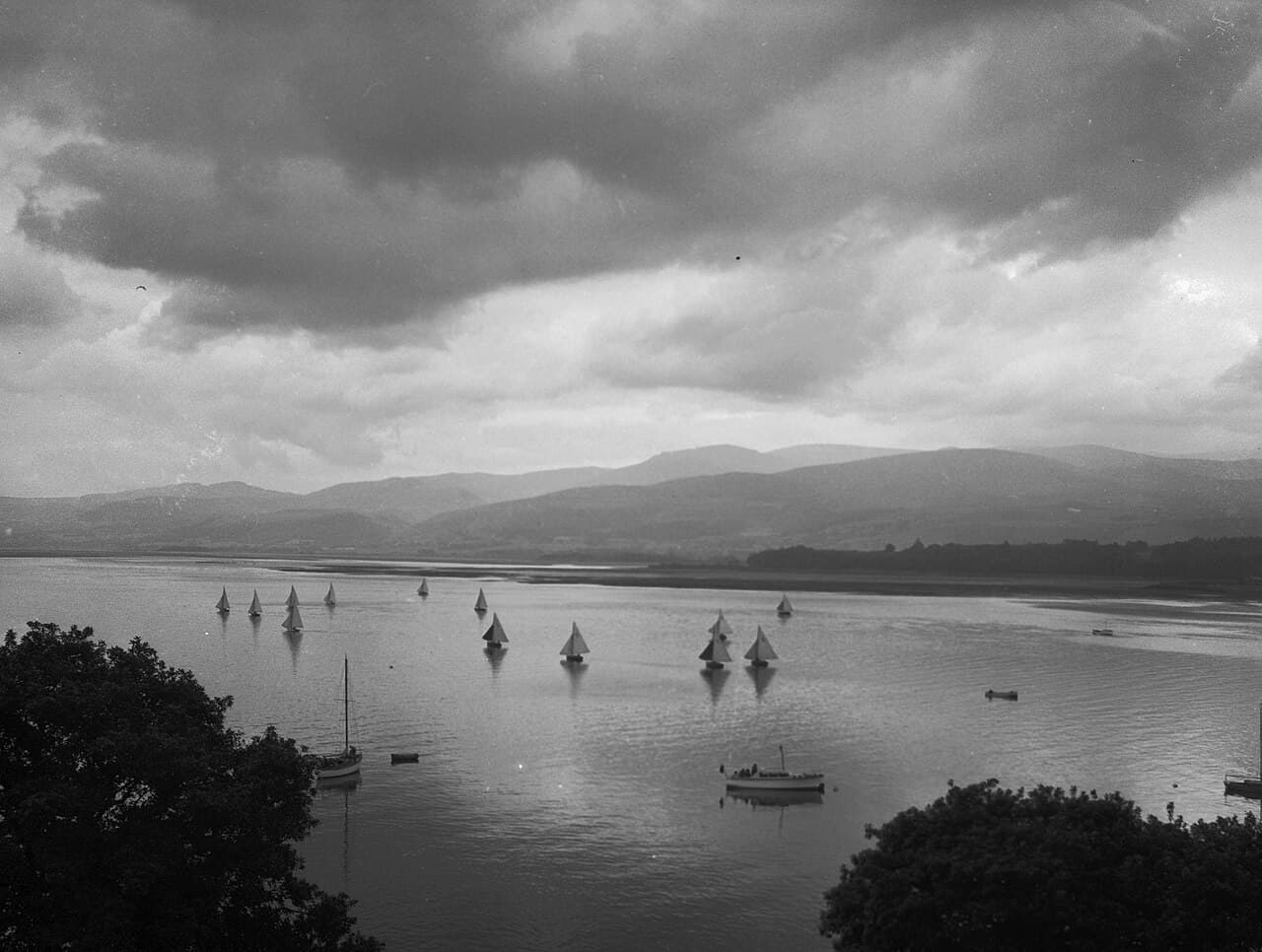
A monohull is the classic yacht shape: one hull, with a weighted keel underneath. The ballast keeps the boat upright and, crucially, self-rights it — heel a monohull over and the keel pulls it back. Monohulls heel as the wind builds, which is part of how they sail and a useful safety valve, and they are generally forgiving and able to recover from a knockdown. The trade-off is weight: all that ballast makes them slower than a comparable multihull. Almost all of the famous keelboat racing covered in these guides — including the Sydney Hobart — is sailed in monohulls.
Multihulls
A multihull spreads itself wide instead. A catamaran has two hulls; a trimaran has three — a central hull with a smaller float (an ama) each side. The width gives huge initial stability, so a multihull sails almost flat and carries no heavy keel. Lighter and lower-drag for its sail area, it accelerates hard and reaches far higher speeds, especially off the wind — the world's outright sailing-speed and ocean-crossing records belong to multihulls.
The catch is the failure mode. A multihull is very hard to tip in normal sailing, but if it is overpowered and flips, it has no ballast to right it and stays inverted. A monohull heels readily but recovers; a multihull stays flat until, at the limit, it does not.
How they compare
| Monohull | Multihull | |
|---|---|---|
| Hulls | One | Two (cat) or three (tri) |
| Stability from | Ballasted keel | Width / beam |
| Sails | Heels with the wind | Stays nearly flat |
| Speed | Slower, steadier | Faster, especially reaching |
| If capsized | Self-rights | Stays inverted |
In racing
Because their performance is so different, monohulls and multihulls almost always race in separate divisions. Many Australian regattas — the Whitsunday race weeks among them — run a dedicated multihull division alongside the monohull fleets. The pinnacle grand-prix and offshore monohull scene, where boats like the Melges 40 race, sits apart from the multihull world, which has its own racing and record-breaking culture. For the wider vocabulary, see the sailing terms glossary.
Frequently asked questions
- What is the difference between a monohull and a multihull?
- A monohull is a boat with a single hull, kept upright by a heavy ballasted keel. A multihull has more than one hull — two for a catamaran, three for a trimaran — and gains its stability from width rather than ballast, so it carries no heavy keel. Monohulls heel and self-right; multihulls sail flatter and faster but do not self-right if capsized.
- Are multihulls faster than monohulls?
- Generally yes, especially reaching and downwind. A multihull is lighter, sails flatter and has less drag for its sail area, so it accelerates and reaches higher top speeds than an equivalent monohull. The world's outright sailing speed and ocean-crossing records are held by multihulls. Monohulls, weighed down by ballast, are slower but steadier.
- What is the difference between a catamaran and a trimaran?
- Both are multihulls. A catamaran has two hulls connected by a deck or beams, while a trimaran has three — a main central hull with a smaller hull (an ama) on each side. Both gain stability from their width rather than from ballast, and both are used for cruising and racing.
- Why don't multihulls capsize like monohulls?
- They resist capsize differently. A wide multihull has enormous initial stability and sails almost flat, so it is very hard to tip in normal conditions. But if a multihull is overpowered and does flip, it stays inverted, because it has no ballast to right it. A ballasted monohull heels easily but its keel pulls it back upright, so it self-rights.
- Do monohulls and multihulls race together?
- Usually they race in separate divisions, because their performance is so different. Many Australian regattas, such as the Whitsunday race weeks, run a dedicated multihull division alongside the monohull fleets. Most famous keelboat racing, including the Sydney Hobart, is monohull, while multihulls have their own strong racing and record-breaking scene.