2 min read · Updated 19 May 2026
Port is the left-hand side of a boat and starboard is the right-hand side, as seen by someone on board facing forward towards the bow. Because the terms are fixed to the boat rather than to whichever way a person happens to be looking, they remove the ambiguity that "left" and "right" would create — vital when a crew is calling instructions in a hurry. They also sit behind one of the most important rules in racing.
Which side is which
Stand on the boat and face the bow: port is on your left, starboard on your right. The simplest memory aid is that "port" and "left" each have four letters. At night the sides are marked by navigation lights — red for port, green for starboard — so other vessels can tell which way a boat is heading in the dark.
The key point is that they never change. Whether a sailor is facing forward, aft or over the side, port is always the same side of the boat, which is exactly why the words exist.
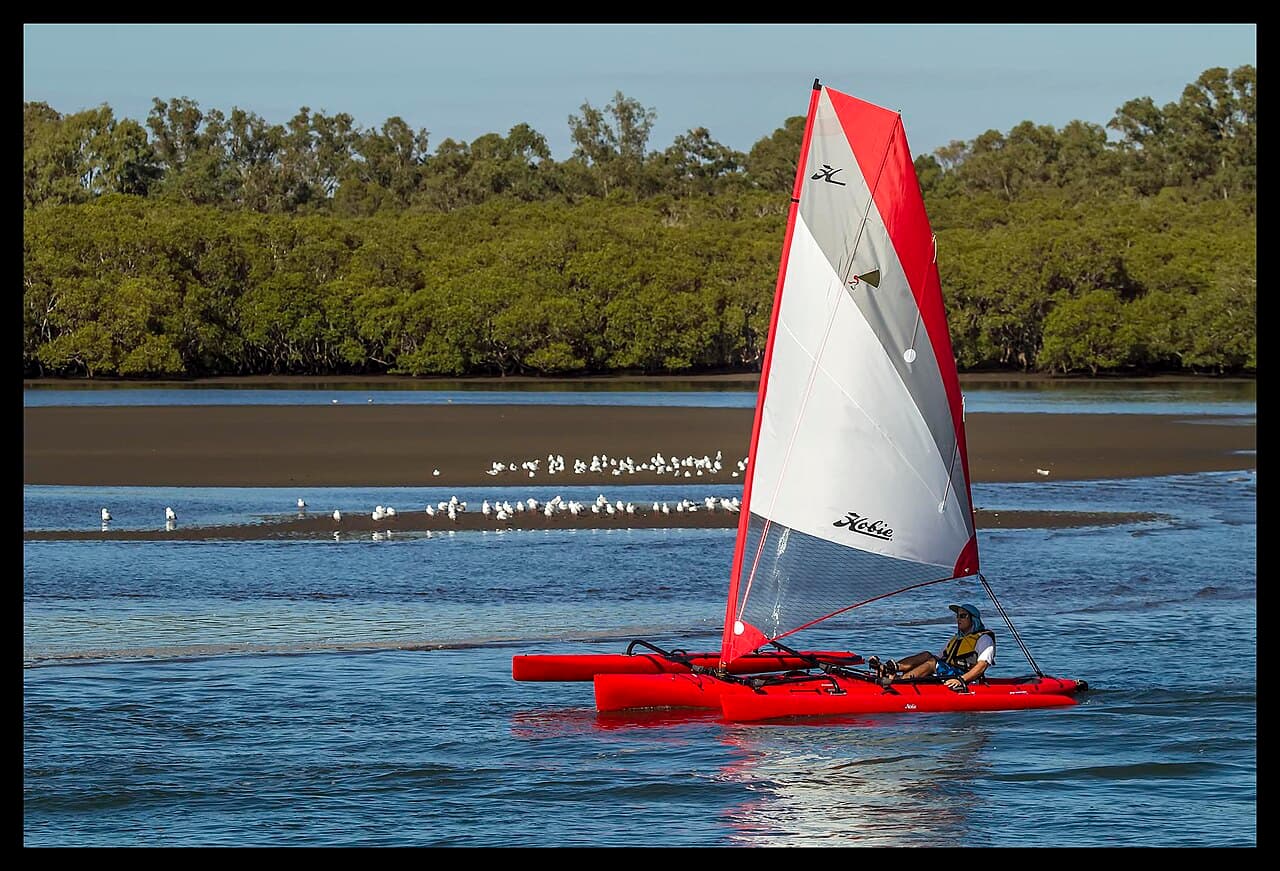
Where the words come from
The terms are centuries old. Starboard derives from the old English for "steering side", because early boats were steered with a board or steering oar mounted on the right-hand side. With that steering oar in the way, it was easier to bring the left side alongside a wharf to load and unload — the "port" side — and the name stuck.
The port and starboard rule
In racing and under the rules of the road, port and starboard define right of way between boats on opposite tacks. A boat is on starboard tack when the wind comes over its starboard side, and on port tack when the wind comes over its port side. The rule is simple and absolute: a boat on port tack must keep clear of a boat on starboard tack.
That single rule governs countless encounters in a fleet — a starboard-tack boat can hold its course and expect others to give way, while a port-tack boat must duck, tack or otherwise stay clear. It works alongside the windward and leeward rule for boats on the same tack, and which tack you are on depends on your point of sail and where the wind is crossing the boat. For more of the language, see the sailing terms glossary.
Frequently asked questions
- What do port and starboard mean?
- Port is the left-hand side of a boat and starboard is the right-hand side, as seen by someone on board facing forward towards the bow. Because they are fixed to the boat rather than to the observer's direction, they never change regardless of which way a crew member is looking, which avoids confusion that left and right could cause.
- Which side is port and which is starboard?
- Facing forward, port is on your left and starboard is on your right. A common memory aid is that port and left both have four letters. Port is marked with a red navigation light at night, and starboard with a green one.
- Why are they called port and starboard?
- Starboard comes from old English for the steering side, because early boats were steered with a board or oar on the right-hand side. Because that steering oar made it awkward to dock on the right, boats tied up to the harbour on their left, the loading or port side, which gave port its name.
- What is the port and starboard rule in racing?
- When two boats under sail are on opposite tacks, the boat on port tack must keep clear of the boat on starboard tack. A boat is on starboard tack when the wind comes over its starboard side. It is one of the most fundamental right-of-way rules in sailing and racing.