2 min read · Updated 5 July 2026
Sailing in Darwin runs on the tropical dry season — centred on Fannie Bay and the Darwin Sailing Club, with big tides, reliable trade winds, and offshore races north across the Timor Sea. It is one of Australia's most distinctive sailing venues, and the gateway to South-East Asia.
The venue
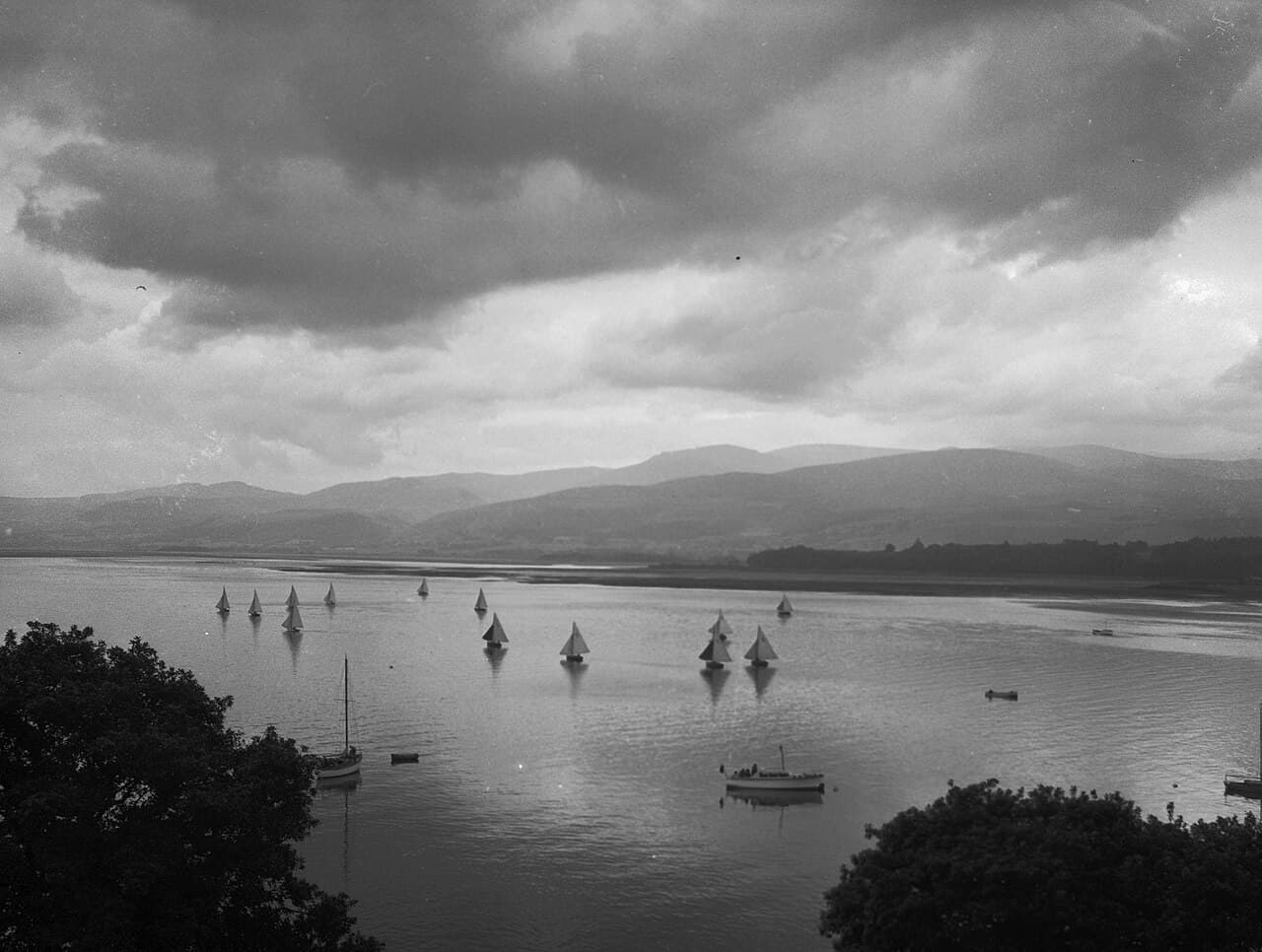
Darwin sailing centres on Fannie Bay, where the Darwin Sailing Club sits on the waterfront, with racing on the bay and the wider Beagle Gulf. The character of Top End sailing comes from three things: the tropical dry season, the reliable south-easterly trade winds, and some of the biggest tides in Australia, whose strong streams sailors plan around. Warm water and a spectacular setting complete the picture.
The season
Sailing here follows the tropical calendar. The dry season — roughly May to October — brings settled weather and dependable breezes, and this is when the racing is busiest. The build-up and wet season, from around November to April, bring hotter, more humid and less predictable conditions, so sailing quietens down. Understanding this rhythm, and reading the wind, is central to Top End sailing.
The club
The Darwin Sailing Club, on the waterfront at Fannie Bay, is the Northern Territory's main sailing club. Founded in 1963, it runs off-the-beach dinghy, catamaran and keelboat racing through the dry season, along with a comprehensive learn-to-sail academy for all ages. The Darwin Trailer Boat Club and other clubs add to the scene.
The racing
Darwin is the launch point for offshore races north across the Timor Sea:
- The Darwin to Dili Yacht Race, run by the Cruising Yacht Association of the Northern Territory, races to the capital of Timor-Leste.
- The Spice Islands rally and race to Ambon in Indonesia is another Top End offshore adventure.
Both run in the dry season and reflect Darwin's role as Australia's gateway to South-East Asia, alongside the club's dry-season inshore program.
Getting involved
The Darwin Sailing Club runs learn-to-sail programs for all ages, including Tackers for children, and offers crewing opportunities. See our guides to getting into sailing in Australia and joining a yacht racing crew, and the sailing terms glossary for the vocabulary of the sport.
Frequently asked questions
- Where do people sail in Darwin?
- Darwin sailing centres on Fannie Bay, where the Darwin Sailing Club sits on the waterfront, with racing on the bay and the wider Beagle Gulf. The Top End's sailing runs on the tropical dry season, when settled weather and reliable south-easterly trade winds provide dependable breezes. Big tides, warm water and a distinctive tropical setting make Darwin one of Australia's most unusual and rewarding sailing venues.
- What is the main sailing club in Darwin?
- The Darwin Sailing Club, on the waterfront at Fannie Bay, is the Northern Territory's main sailing club. Founded in 1963, it runs off-the-beach dinghy, catamaran and keelboat racing through the dry season, along with a comprehensive learn-to-sail academy for all ages. The Darwin Trailer Boat Club and other clubs add to the local scene.
- When is the sailing season in Darwin?
- Sailing in Darwin runs on the dry season, roughly from May to around October, when the weather is settled and the south-easterly trade winds are established. This is when the racing calendar is busiest and when the Top End's offshore races head north. The build-up and wet season, from around November to April, bring hotter, more humid and less predictable conditions, so sailing is quieter.
- What offshore races start from Darwin?
- Darwin is the launch point for offshore races north across the Timor Sea. The Darwin to Dili Yacht Race, run by the Cruising Yacht Association of the Northern Territory, races to the capital of Timor-Leste, and the Spice Islands rally and race to Ambon in Indonesia is another Top End offshore adventure. Both run in the dry season and reflect Darwin's position as Australia's gateway to South-East Asia.
- Do Darwin's big tides affect sailing?
- Yes — Darwin has some of the largest tides in Australia, with a big range between high and low water, which creates strong tidal streams that sailors must plan around. Combined with the reliable dry-season trade winds and warm tropical water, the tides give Top End sailing a character all its own, and understanding the tide is an important part of sailing safely and fast in the region.