Flinders Islet Race
The Flinders Islet Race is an 88-nautical-mile CYCA offshore race — south from Sydney Harbour to Flinders Islet off Wollongong and back. One of the shorter blue-water pointscore races, it still packs plenty of action.
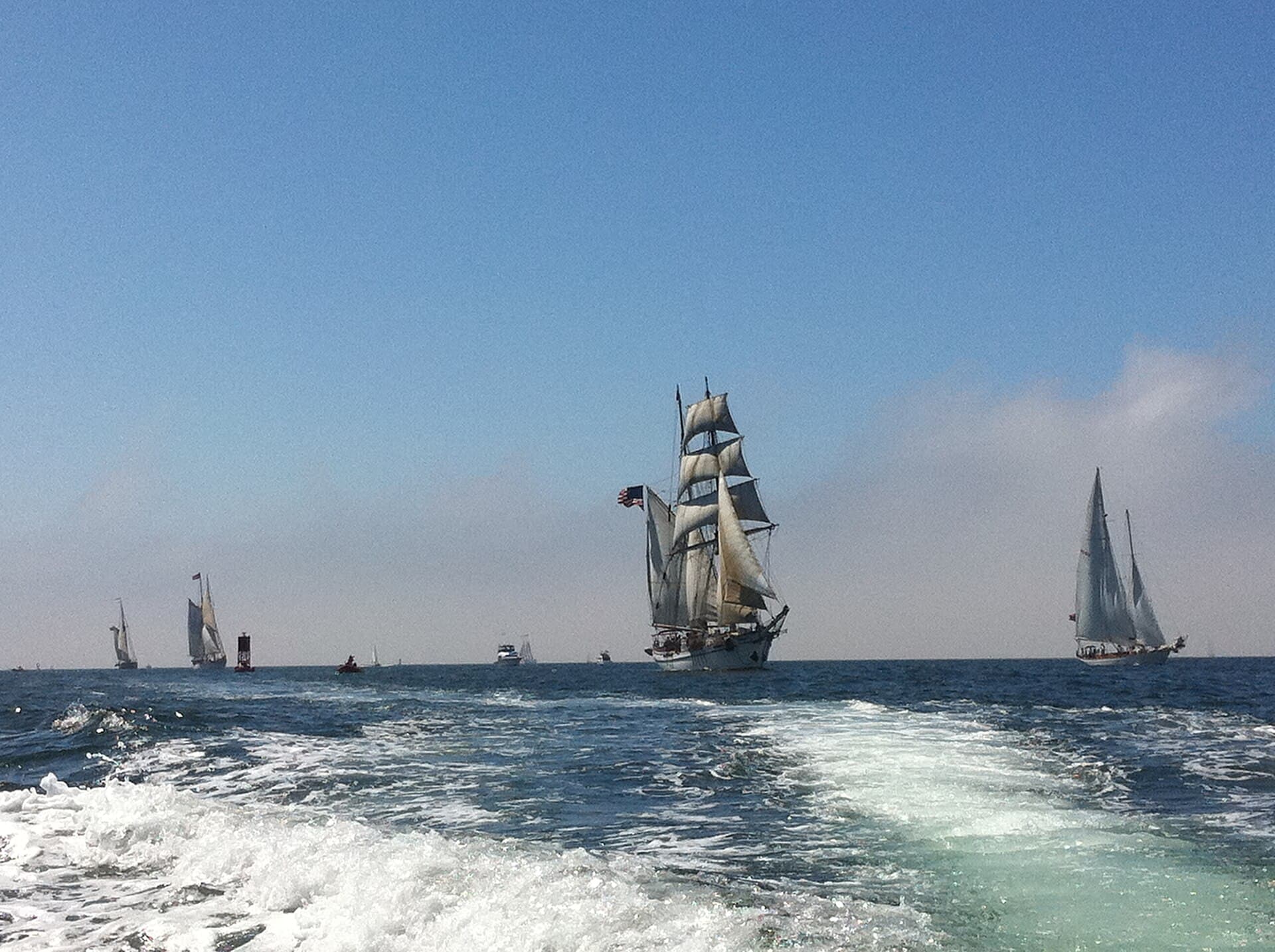
Photo: Port of San Diego, CC BY 2.0, via Wikimedia Commons
1 min read
The Flinders Islet Race is one of the Cruising Yacht Club of Australia's blue-water pointscore races — an 88-nautical-mile offshore run south from Sydney Harbour to Flinders Islet, off Wollongong, and back. One of the shorter races in the series, it is an accessible early-season hit-out that still delivers a real overnight offshore challenge.
What it is
The Flinders Islet Race sends the fleet south from Sydney Harbour to round Flinders Islet — about one nautical mile east of Port Kembla Harbour, off Wollongong — before returning north to the harbour. At 88 nautical miles it is comparatively short for a blue-water race, but it is still an overnight passage that asks for proper offshore preparation, and it makes an ideal early-season offshore race for crews finding their rhythm.
The Blue Water Pointscore
The race is part of the CYCA's Blue Water Pointscore, the season-long series of offshore races that prepares and qualifies crews for the Rolex Sydney Hobart. Typically held in September, it sits early in that series — a relatively short, sharp qualifier before the longer races of the campaign. It complements the harbour and coastal racing described in our guide to sailing in Sydney and Sydney Harbour.
How to enter and follow
Entries and the Notice of Race are published by the Cruising Yacht Club of Australia. As an offshore race it carries safety-category requirements, so crews should read the documents and prepare accordingly. The first boat home takes line honours, while the overall winner is decided on corrected time under handicap — see line honours versus handicap — and the sailing terms glossary explains the offshore vocabulary.
Frequently asked questions
- What is the Flinders Islet Race?
- The Flinders Islet Race is an 88-nautical-mile offshore race run by the Cruising Yacht Club of Australia. The fleet heads south from Sydney Harbour to round Flinders Islet, about one nautical mile east of Port Kembla Harbour off Wollongong, then returns to the harbour. It is one of the shorter races in the club's blue-water pointscore.
- How long is the Flinders Islet Race?
- The course is 88 nautical miles. While that makes it one of the shorter offshore races in the Cruising Yacht Club of Australia's Blue Water Pointscore, it still packs plenty of action into an overnight run south and back.
- When is the Flinders Islet Race held?
- It is typically held in September, as part of the early-season Blue Water Pointscore series that builds towards the Rolex Sydney Hobart. The timing makes it an early offshore hit-out for crews starting their campaigns.
- Where is Flinders Islet?
- Flinders Islet lies about one nautical mile east of Port Kembla Harbour, off Wollongong, on the New South Wales coast south of Sydney. The race rounds the islet before turning back north for the return leg to Sydney Harbour.
- Is the Flinders Islet Race a Sydney Hobart qualifier?
- Yes. It is part of the Cruising Yacht Club of Australia's Blue Water Pointscore, the offshore series that serves as preparation and qualification for the Rolex Sydney Hobart Yacht Race. Its shorter length makes it an accessible early-season qualifying race.
More regattas
Rolex Sydney Hobart Yacht Race
The Rolex Sydney Hobart is a 628-nautical-mile offshore classic from Sydney to Tasmania, run by the CYCA and starting every Boxing Day.
Read the guideCabbage Tree Island Race
The Cabbage Tree Island Race is a 172-nautical-mile CYCA blue-water classic — north from Sydney Harbour to Cabbage Tree Island off Port Stephens and back — and one of the most popular races in the Sydney Hobart qualifying series.
Read the guideSydney to Gold Coast Yacht Race
The Sydney to Gold Coast Yacht Race is a 384-nautical-mile offshore passage from Sydney Harbour to the Gold Coast, run by the CYCA each winter and known as The Great Winter Escape.
Read the guide